
Does Spray Foam Insulation Save Money on Energy Bills?
Some homes leak energy like an old cooler with a cracked lid. If your house has thin attic insulation, gaps around framing, a drafty crawl space, or rooms that never feel the same temperature as the rest of the home, your heating and cooling system is probably doing more work than it should.
Spray foam insulation can help lower energy bills, but it is not magic in a can.
A newer house with decent windows and a pretty tight build may not see the same savings as an older Northern Colorado home with leaky attic spaces and insulation that has seen better days. The starting point matters.
So if you are wondering “does spray foam insulation save money?” or “how much does insulation save on energy bills?” the real question is a little more specific: where is your home losing air right now?
Energy Bills Usually Start With Air Loss
Insulation is easy to forget about because you do not see it every day. You see the power bill though.
In the winter, warm air can escape through poorly sealed areas while cold air works its way in. In the summer, cooled air slips out and hot outdoor air creeps inside. Then your HVAC system keeps kicking on, again and again, trying to make the house feel normal. That is usually when homeowners start noticing the little things.
One bedroom is freezing. The upstairs gets stuffy. The crawl space smells damp. The thermostat says one thing, but the house feels like another. You are not only paying to heat and cool your home. In some cases, you are paying to heat and cool air that is leaving the house before it ever does you much good.
What Spray Foam Does Differently
Traditional insulation can slow heat transfer, which is useful. But it does not always stop air from moving through small gaps and cracks.
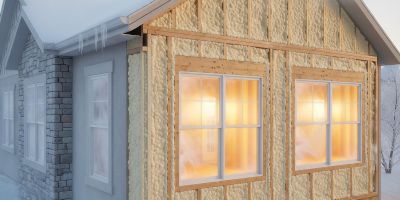
Spray foam works a bit differently. Once applied, it expands into those odd little spaces that other insulation may not cover well. It fills cracks, gaps, and awkward framing areas, then cures into a firm sealed layer.
That tighter seal can help reduce energy waste in places like:
- Attics
- Crawl spaces
- Wall cavities
- Rim joists
- Around vents, wiring, and framing
That is why energy efficient foam insulation is often recommended when a home has comfort problems. It is not just about adding more material and calling it good. It is about closing off the spots where air keeps sneaking through.
Where Spray Foam Can Make the Biggest Difference
Spray foam usually works best where the home is weakest. In Northern Colorado, that often means attics and crawl spaces.
Attics can be a major problem because heat rises in the winter and attic heat builds fast in the summer. If that area is not properly sealed, it can affect the whole house below it.
Crawl spaces can be just as sneaky. Cold air, outside air, moisture, and dust can move up from below, especially if the space is unfinished or poorly insulated. Not exactly glamorous, but it matters a great deal. High quality spray foam can help control those weak spots, which may make the home more efficient overall.
Will Every Home Save the Same Amount?
The short answer: it depends. Honestly though, that is why people should be careful with big promises. Spray foam insulation can save money on energy bills, but there is no one-size-fits-all number. The savings depend on things like:
- Age of the home
- Current insulation levels
- Current air leakage
- Size of the home
- Heating and cooling usage
A home with major attic leaks may notice a bigger change than a home that is already sealed pretty well. That doesn't mean spray foam has no value in a newer or better-insulated home. It just means the return depends on what problems are already there.
Comfort Comes First
Energy savings are great. Nobody is mad about a lower utility bill, but comfort is often the first thing homeowners actually feel. A cold room may warm up easier. The upstairs may not feel as brutal in July. Drafty corners may settle down. That is a big part of why spray foam is not only about monthly cost savings.
When a home is sealed properly, the heating and cooling system does not have to fight the same air leaks all day long. It can do its job without constantly playing catch-up.
So, How Much Does Insulation Save on Energy Bills?
The honest answer is: it depends on how much energy your home is wasting right now.
If your home has old insulation, obvious gaps, drafty rooms, or heating and cooling bills that keep climbing, improving the insulation may lead to real savings over time.
If your home is already newer, tighter, and performing well, the savings may be more modest.
A proper insulation estimate should look at:
- Current problem areas
- Existing insulation
- Attic and crawl space conditions
- Air leaks
- The areas where spray foam would help most
Without looking at those details, any savings estimate is mostly a guess (an educated guess, but still a guess)
Colorado Weather Makes This More Important
Northern Colorado homes have a lot to put up with. Cold winter nights, hot summer afternoons, dry air, wind, and sudden temperature swings that make you check the weather app. That kind of climate puts extra pressure on how well a home is sealed.
Homes in Fort Collins, Windsor, Greeley, Loveland, and nearby areas can all have different insulation needs depending on when they were built, how they were framed, and where air is getting in or out. That is why local experience matters.
A good spray foam contractor should not walk in and recommend the exact same fix for every property. The right solution depends on the house itself.
Is Spray Foam Worth It for Energy Savings?
Spray foam may be worth looking into if your home has:
- High energy bills
- Drafty rooms
- Uneven temperatures
- Old attic insulation
- An unfinished crawl space
- Areas where outside air clearly gets inside
For some homes, spray foam is part of a bigger insulation upgrade. For others, it is used in one problem area where air loss is doing the most damage. Either way, the goal is pretty simple: waste less energy, make the house easier to heat and cool and get the home feeling more comfortable without your HVAC system having to work overtime.
Thinking About Spray Foam Insulation in Northern Colorado?
The best way to know whether spray foam could save money in your home is to have the insulation looked at directly. Distinctive Spray Foam works with homeowners, businesses, and agricultural properties across Northern Colorado, including Fort Collins, Windsor, and surrounding communities.
If you are comparing insulation options or wondering whether energy efficient foam insulation makes sense for your home, a local evaluation can show where your home is losing air and what can be done about it.
Request a free quote and learn what it would take to improve your home’s comfort and energy efficiency.